Art director
Holds the visual idea and keeps every concept on it.
- One clear idea per concept
- Fits the character in the brief
- Works in a single colour
“Strong mark, wrong brand. The brief says calm, and this one shouts.”
An art director, a designer and a brand strategist debate your brief, draw logos in SVG and explain every choice.

Six steps, and only the first one is required. Lock what you're sure of, and the model fills in the rest, suggests moods for your brand and draws moodboards.
Each specialist checks ideas against their own criteria, so they argue for real. Every role is written down, and every one of them works from documents you can read, change and add to.

Holds the visual idea and keeps every concept on it.
“Strong mark, wrong brand. The brief says calm, and this one shouts.”
Read what each specialist checks and how they argue. Change one line instead of rewriting the role; every change is a new version you can compare or roll back. Or write a role of your own and save a panel you trust.
Methods, your brand guide and earlier logos sit in documents the panel reads before it speaks. Edit ours or add your own; the researcher answers from them for free.
Everyone proposes ideas blind, improves someone else's, then critiques. The moderator sums up the directions. Start typing and the panel waits for you.


The researcher doesn't take sides. It looks things up and reports back, so the panel argues from facts.
Every concept is an SVG, so you download the same file the panel discussed. These are concepts for Northloop, a sample brief for a bike-share in Minneapolis.
LogoPanel writes 5 to 20 people from the audience in your brief. They vote next to your team and answer when you ask what the audience thinks. You see where they agree, where they split, and why.
The focus group is simulated. Its votes are shown apart from real people's and don't replace research with real customers.
"Reminds me of a road or a route on a uniform. Local, practical, established."
"Maybe a transport or tech company. It reminds me of a map symbol."
"A big U shape with a slash. I can't tell what they sell."
"Maybe a delivery or storage company. I'd need to know what it does before paying."
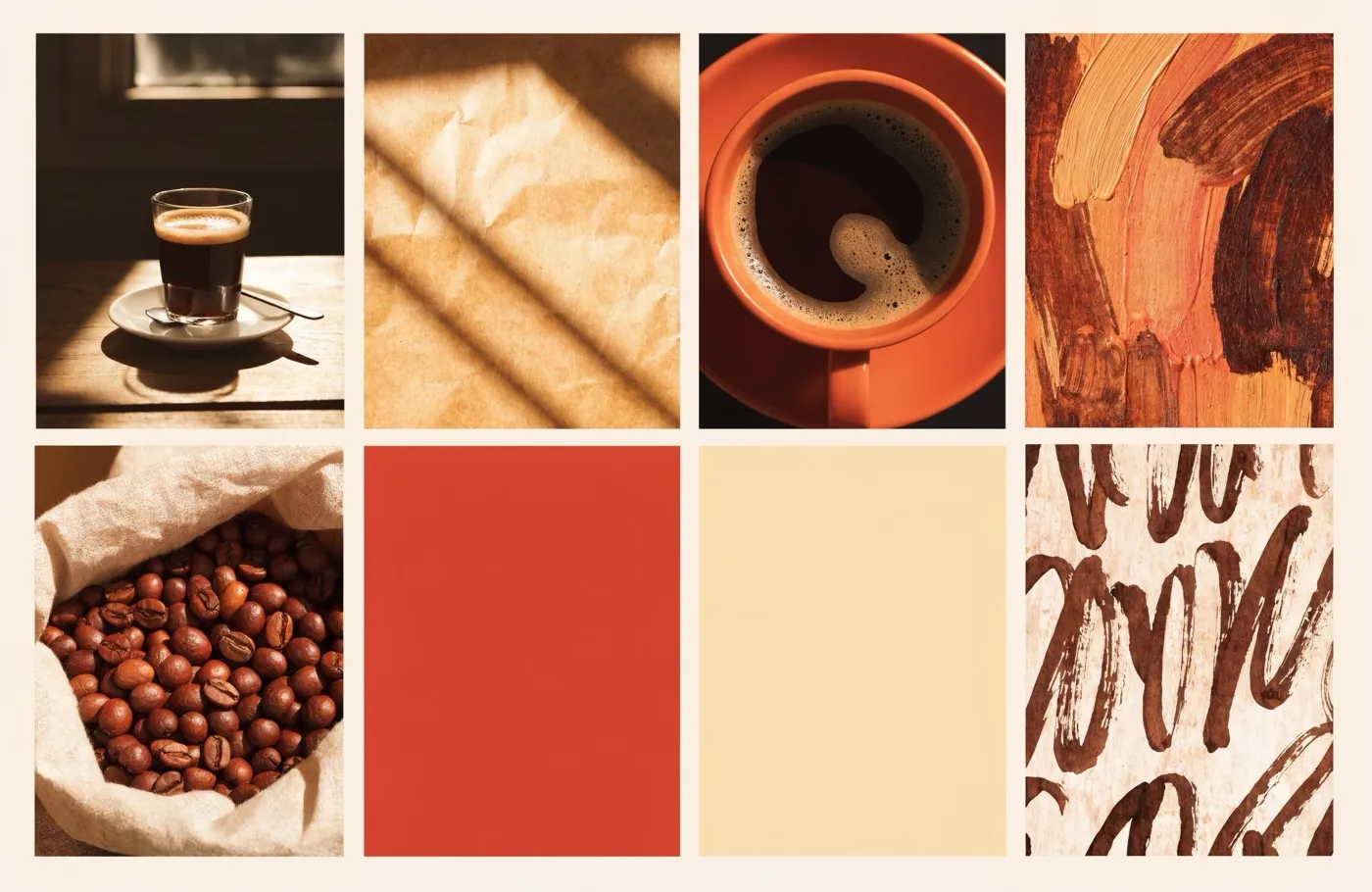
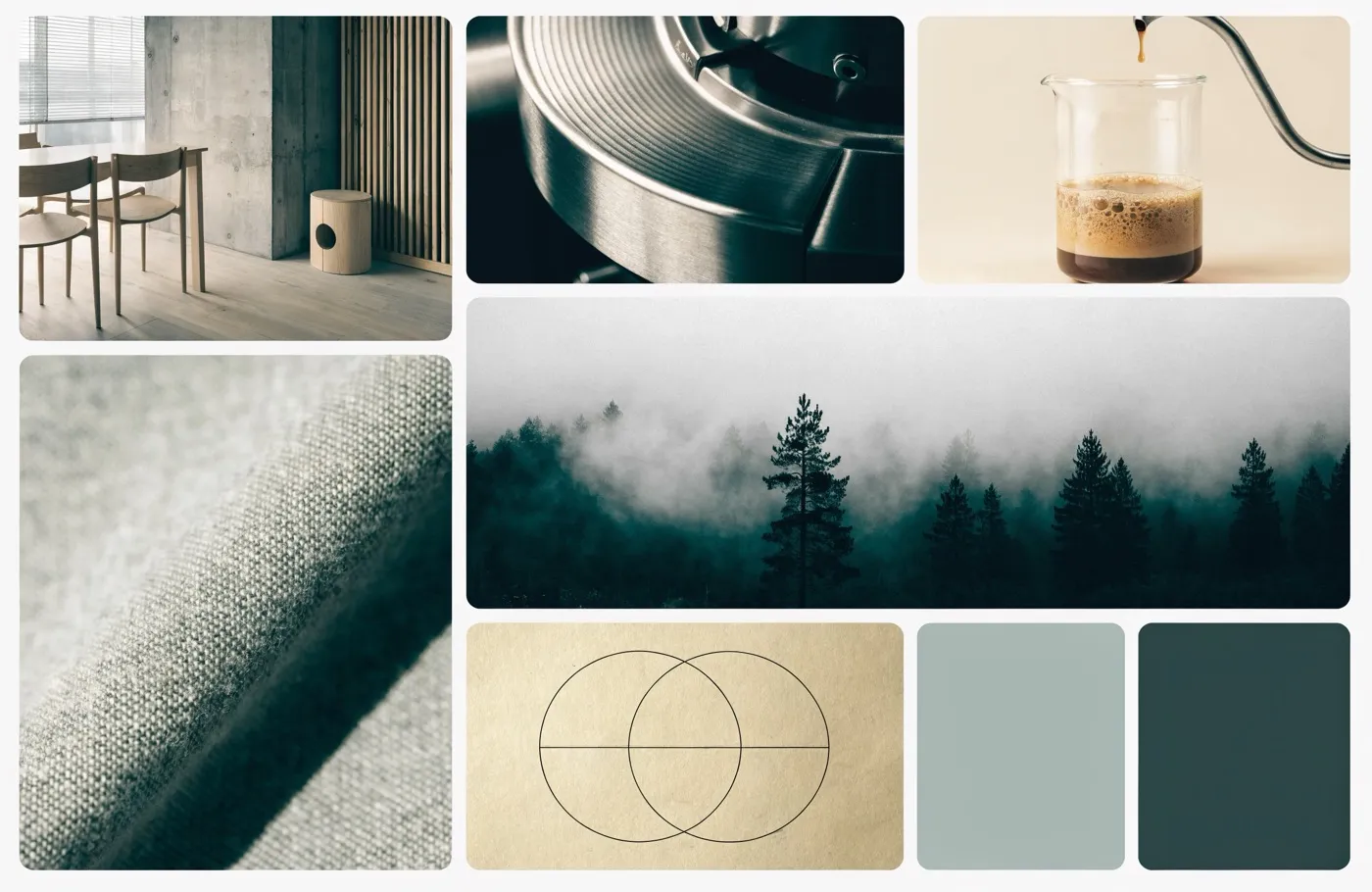
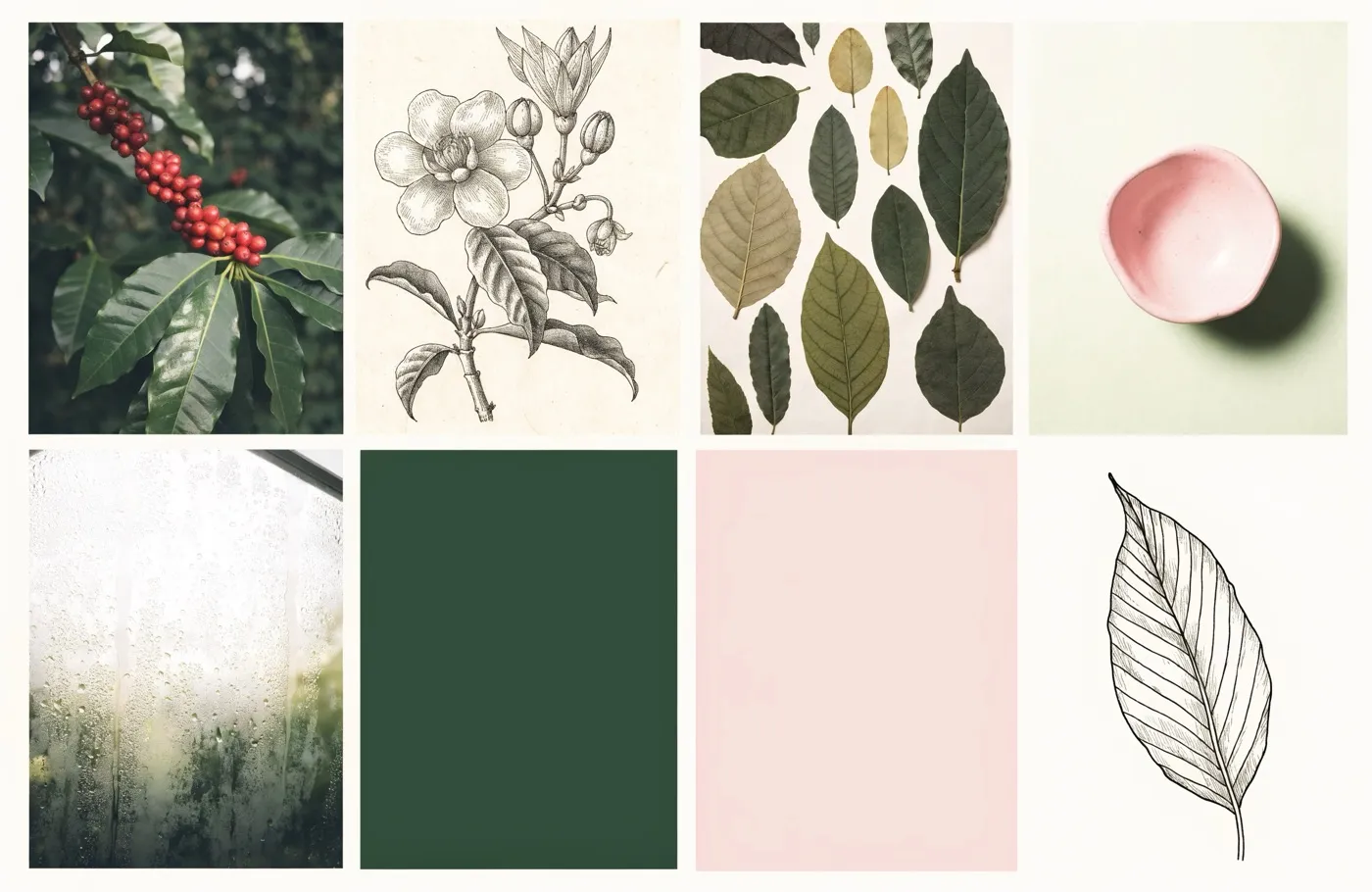
At the end, LogoPanel renders the chosen concept in photographs picked for your brief. A bike-share gets a station sign and a fender, a café gets a menu and a cup. They help you judge the idea and show it to a client.
Another brief, another set: a café gets a menu, a cup and a shopfront; a law firm, a door plate and a letterhead.
Rendering
Rendering
Rendering
Rendering
Rendering
RenderingThe guidelines explain the choices with the panel's own decisions, so you can answer "why this shape?" at the client meeting.
The logo comes as SVG for print and the web, and as PNG in three sizes for slides and documents. Variants cover a transparent background, one colour and a reversed version for dark surfaces.
The palette is ready for design tools (ASE) and for developers (HEX, RGB). The fonts are free Google Fonts with their licence. The PDFs hold the guidelines above, the photographs of the logo in use and a one-page summary to send.
Every file is kept for 60 days after it's made.Bring the whole studio in. Here is what else LogoPanel does besides the panel.
Invite as many people as you like. Credits belong to the team; roles go from viewer to owner.
Team folders with files, links and saved research. Search finds a document even in other words.
Everything made, by chapter. Try another path from any chapter.
Credits by project, person and day, refunds included. A numbered PDF invoice for every payment.
View only, Can participate or Can generate.
Paid work someone asks for waits for the project owner.
Palette, fonts, logos and voice. Start a sub-brand from them.
Keep the specialists you trust for the next project.
Tell each role in plain words what you never do.
Your team and the focus group vote side by side.
The bell and email go to whoever needs to act.
Keep a finished project read-only for 90 days, or delete it.
Conversation costs credits as it goes. Logos, mockups, research and vector files run only after you confirm the price on the card.
Credits arrive every month on every term. Prices in USD before tax. Payments by Paddle.
On a paid plan, you or your client. Logos made on Free can't be used commercially. Upgrade, and the logos you made on Free become yours too.
No. LogoPanel writes it from the audience in your brief. It shows likely first reactions, and its votes are always shown apart from your team's.
Answers from your brief, knowledge base and earlier reports are free. A web search shows its price first; a report usually costs 3 to 4 credits.
Usually 15 to 20 minutes after you start the debate.
The panel critiques likeness to known competitors, and the researcher can review competitors with sources. It isn't a trademark search, so talk to a specialist before you register a mark.
60 days from the moment each file is made. The brief and the decision history stay with the project.
Yes, any time. Turn off renewal in Billing, and the plan stays active until the end of the term you paid for.
Try it free before you pay, no card needed. First directions in 15 to 20 minutes.